When Does Land Need a Preliminary Architectural Concept Before Being Presented to Investors?
Investment-ready architectural framing for land and real-estate opportunities.
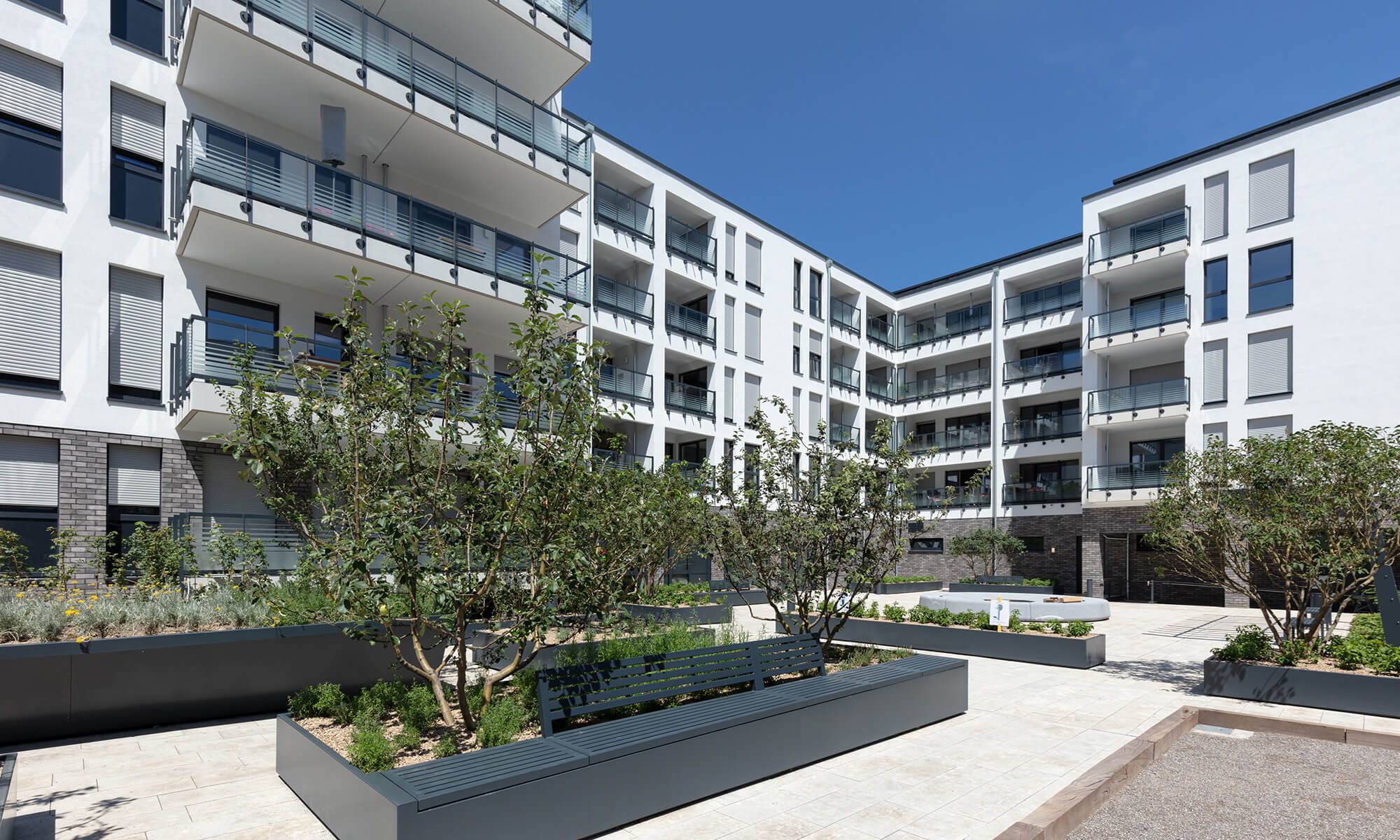
When Does Land Need a Preliminary Architectural Concept Before Being Presented to Investors?
Not every piece of land needs an advanced level of development before it can be presented. But in many cases, a preliminary architectural concept is the element that makes the difference between an ordinary listing and an opportunity that deserves serious attention. The important question is not only, “Do I need an early concept?” but rather, “When does it become necessary before speaking to investors?” The answer often begins with the nature of the land itself. If the site has more than one possible use, or if it is not immediately clear what type of project suits it best, then an early architectural concept becomes highly valuable. It helps guide the idea, identify the most logical direction, and give the opportunity an initial form instead of leaving it in a state of uncertainty. This becomes even more important when the goal is to attract investors, not simply to offer land for sale. Investors need more than a general description. They need to see that there is an early concept they can understand, and that the land is not just an empty site but the possible foundation of a real development opportunity. Without that clarity, much of the perceived value may remain hidden. A preliminary concept is also especially important when the land is in a strong location but its value is not immediately obvious. Some sites are promising, but their strength does not become clear simply by stating the address or the size. They need interpretation: What could happen here? Why is this site different? What type of project would reveal its true value? In these situations, the concept becomes a tool not only for presentation, but for discovery. Another important case is when the landowner wants to create a more professional conversation with potential partners, developers, or investors. Having an early concept raises the level of discussion because it shifts the conversation from general assumptions to more tangible possibilities. This does not mean that every decision has already been made, but it does mean that the discussion starts from a more serious and informed position. An initial concept is also useful when the aim is to test the idea before investing further. Instead of moving immediately into detailed studies or major commitments, this stage helps determine whether the proposed direction makes sense at all. In that sense, the concept is not only a presentation tool; it is also a tool for early validation and understanding. The more complex the opportunity is, the more it depends on vision, explanation, or persuasion, the more important a preliminary architectural concept becomes. It gives investors a clear starting point and gives landowners a stronger way to express the potential of the site in a thoughtful and professional manner. In the end, land needs a preliminary architectural concept whenever a simple description is not enough to reveal its value. When the opportunity needs direction, explanation, or vision, that concept becomes a smart and essential step in turning a simple property offering into a more persuasive investment opportunity.
Marketplace