Resorts - Virtual Environment as a Marketing Method
Architecture and digital presentation for clearer decisions.
Why Interactive Environments Matter for Resorts That Want More Bookings
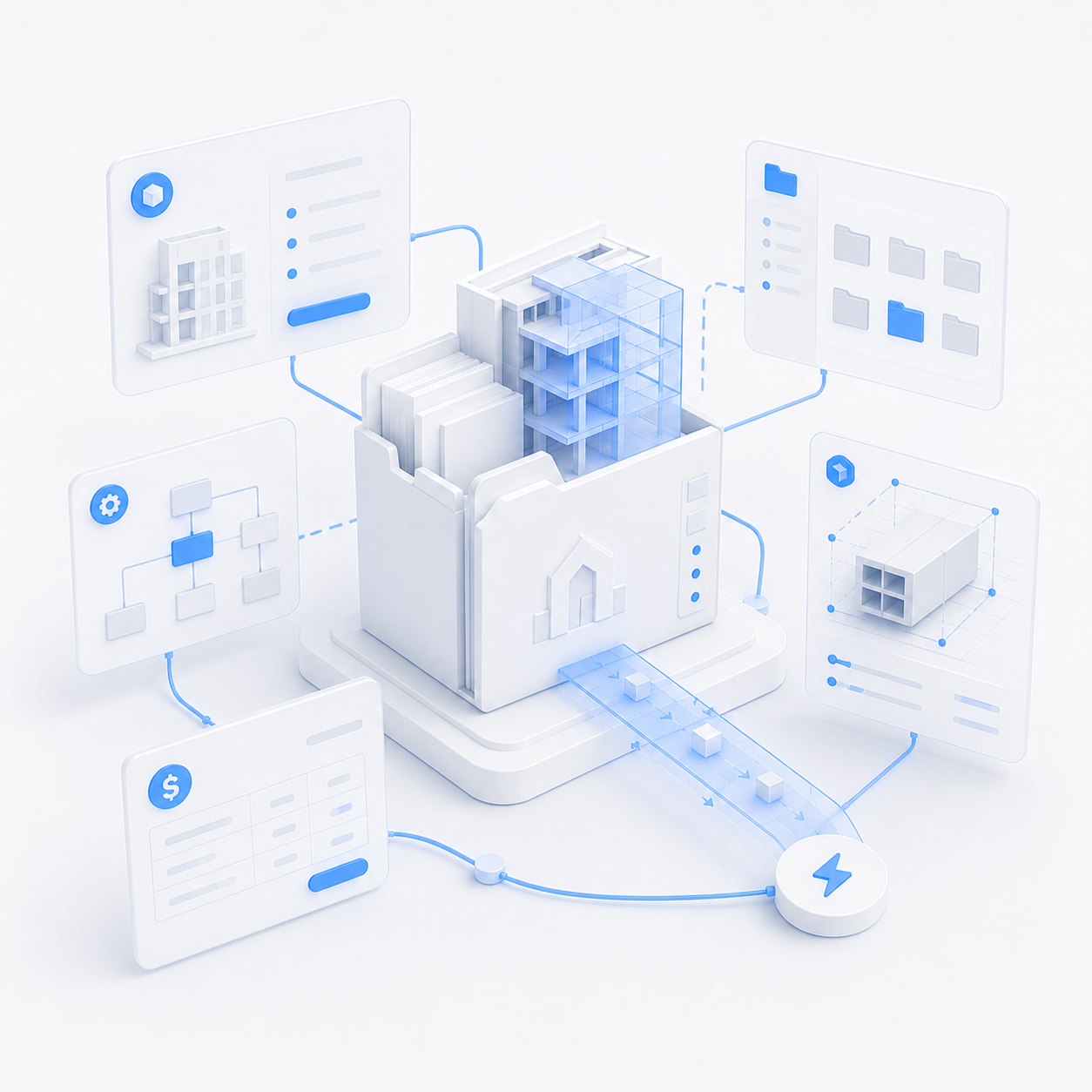
For resorts, the booking decision is rarely based on the room alone. Guests are not only buying a bed for the night. They are choosing a place to spend several days, relax, celebrate, work remotely, travel with family, or experience a destination. That makes resort marketing different from standard hotel marketing. A resort needs to communicate space, atmosphere, movement, amenities, views, privacy, and the relationship between different parts of the property. Static photos and short videos are useful, but they often show isolated moments. They do not always help a potential guest understand the full experience. This is where an interactive environment can become more than a visual feature. Used correctly, it can support the booking decision. The problem: guests need confidence before they book A guest who is considering a resort often wants to know more than “what does the room look like?” They may ask: Where is the villa located within the resort? How far is it from the beach, pool, spa, restaurant, or reception? Is the private pool really private? Which room type has the best view? Is the family area separated from the quiet zone? How does the resort feel during the day and evening? Which facilities are included, and which are optional? Is the premium room actually worth the higher price? These questions matter because resort bookings often involve higher-value stays, longer planning, and stronger emotional expectations than simple overnight accommodation. SiteMinder’s hotel booking trend data shows that hotel websites generated higher average booking values than several other distribution channels in 2025, which reinforces why the direct digital presentation of a property matters. For resorts, interactive means more than a virtual tour For a resort, an interactive environment can be a browser-based 3D experience where a guest can move through the property, select rooms, villas or suites, see their location within the resort, compare views and privacy levels, check what is included, explore optional packages and move directly toward booking or inquiry. In other words, it is not only a beautiful digital tour. It is a decision-support tool for guests who need to understand the property before booking. The goal is not only to make the project look more modern. The goal is to make the project easier to understand, explore, compare and discuss. What an interactive resort environment can do An interactive environment allows a resort to present the property as a connected experience rather than a collection of separate images. Instead of showing only a gallery, the resort can let potential guests explore: -villas, rooms, suites, or chalets; - pools, beach areas, restaurants, spa, gym, kids’ areas, and event spaces; - walking routes between important facilities; - room categories and their locations; - views, privacy levels, and outdoor areas; - optional services, upgrades, and packages. This helps the guest understand the property before arrival. Booking.com’s partner content describes virtual property tours as a way for potential guests to walk through a property with 360-degree views and experience it before arriving. The goal is not entertainment. The goal is clarity. A resort does not need an interactive environment because it is “cool.” It needs one only if it helps answer questions that influence booking. A useful interactive environment should make the guest think: “I understand the resort better now.” “I can see which room type fits my stay.” “I trust the property more.” “I know what I am paying extra for.” “I can imagine myself there.” If the experience does not support these thoughts, it becomes decoration. If it does, it can become a real sales tool. Where interactive environments can increase booking interest 1. Showing the value of premium rooms Many resorts have room categories that are difficult to explain with photos alone. A sea-view suite, garden villa, private pool villa, family unit, or honeymoon bungalow may look attractive in photos, but the price difference is not always obvious. An interactive environment can show the guest where each unit is located, what view it has, how private it feels, and how close it is to key facilities. This can help justify upgrades and reduce uncertainty around higher-priced options. A useful resort presentation should allow the guest to compare room categories in context. For example, two villas may have the same size, but one may be closer to the beach, another may offer more privacy, and a third may be better for families. A walk-through 3D environment can make these differences visible before the guest contacts the resort or starts the booking process. 2. Reducing booking hesitation Guests hesitate when they cannot understand the property. If they have to open ten tabs, compare photos manually, read long descriptions, and still guess how the resort is organized, the booking journey becomes weaker. An interactive presentation can bring the main information into one place: rooms, locations, amenities, documents, packages, and booking links. EHL/Hospitality Insights emphasizes that the hotel customer journey begins long before arrival and that understanding this journey is important for competitiveness in hospitality. 3. Supporting direct bookings Resorts often want more direct bookings because direct channels allow stronger control over the guest relationship, brand communication, upselling, and loyalty. Major hotel groups continue to invest in direct booking strategies to reduce dependency on online travel agencies, whose commissions can be significant. An interactive environment can support direct booking when it is placed on the resort’s own website and connected to clear calls to action: Check availability. Book this villa. Request an offer. Compare room types. Add spa package. Plan an event. The interactive experience should not replace the booking engine. It should prepare the guest to use it with more confidence. 4. Presenting large resorts more clearly Large resorts are often difficult to understand through photos alone. The guest may not know whether the property is compact, spread out, family-oriented, romantic, quiet, or activity-focused. A map is useful, but an interactive 3D or 360 environment can go further by showing movement, distances, and relationships between areas. This is especially relevant for beach resorts, mountain resorts, wellness resorts, eco-lodges, and mixed-use tourism projects. 5. Helping event, wedding, and group bookings For weddings, retreats, conferences, and group travel, the buyer is not only choosing a room. They are evaluating the full property: ceremony area, dining spaces, accommodation blocks, arrival routes, photo locations, spa facilities, parking, and backup options. An interactive environment can help event planners and group decision-makers understand the property remotely before requesting a detailed offer. Interactive does not always mean full virtual reality A common mistake is to assume that a resort needs an expensive VR experience. In many cases, it does not. A practical interactive resort presentation can be browser-based and include: - a 3D or BIM model; - 360-degree views; - clickable room types; - amenity hotspots; - resort map integration; - guided tours; - package explanations; - links to booking or inquiry forms; - optional AI assistance for guest questions. The important point is not the technology itself. The important point is whether the guest can understand the resort faster and make a more confident decision. Personalization can make the experience stronger An interactive environment can also help guests explore options based on their needs. For example: A family can focus on family rooms, kids’ areas, safe walking routes, and nearby facilities. A couple can explore private villas, spa packages, sunset views, and quiet zones. A remote worker can check room layout, workspace, internet information, and calm areas. An event planner can view capacity, routes, accommodation clusters, and event spaces. This makes the presentation more relevant. It also gives the resort a better way to show different experiences without forcing every visitor through the same generic gallery. What should resorts avoid? An interactive environment should not become a complicated game. Guests should not be forced to explore without guidance. The best structure is simple: Start with the resort overview. Show the main areas. Let users select the type of stay. Present relevant room options. Explain upgrades and packages. Connect the experience to booking or inquiry. If the guest gets lost, the experience fails. If the guest understands the resort faster, it works. How Benatrix can support this type of presentation Benatrix can be used to create interactive 3D/BIM environments for real estate, investment, and hospitality projects. For resorts, this can include preparing an existing BIM or 3D model for interactive online presentation, creating a suitable model if one does not exist, and connecting spaces, rooms, amenities, documents, prices, availability, packages, or explanatory content inside the environment. When needed, the environment can also include guided presentations, clickable hotspots, room or villa selection, material and design options, 4D/5D information for development projects, or an AI assistant that answers guest or investor questions based on the resort’s own information. For operating resorts, the focus can be bookings and guest confidence. For resorts under development, the focus can be investment, pre-sales, partner presentations, or project explanation. Conclusion For resorts, an interactive environment is valuable only when it helps the guest make a clearer decision. It should not be sold as a visual gimmick. It should be designed as a booking support tool: a way to show the resort, explain the room categories, highlight amenities, reduce uncertainty, and guide the guest toward inquiry or reservation. When used with a clear strategy, interactive resort presentations can make the property easier to understand, easier to trust, and easier to book.
Marketplace