Office Fit-out, Refurbishment and Small Works
Workplace project management for fit-outs, moves, handovers and office change.
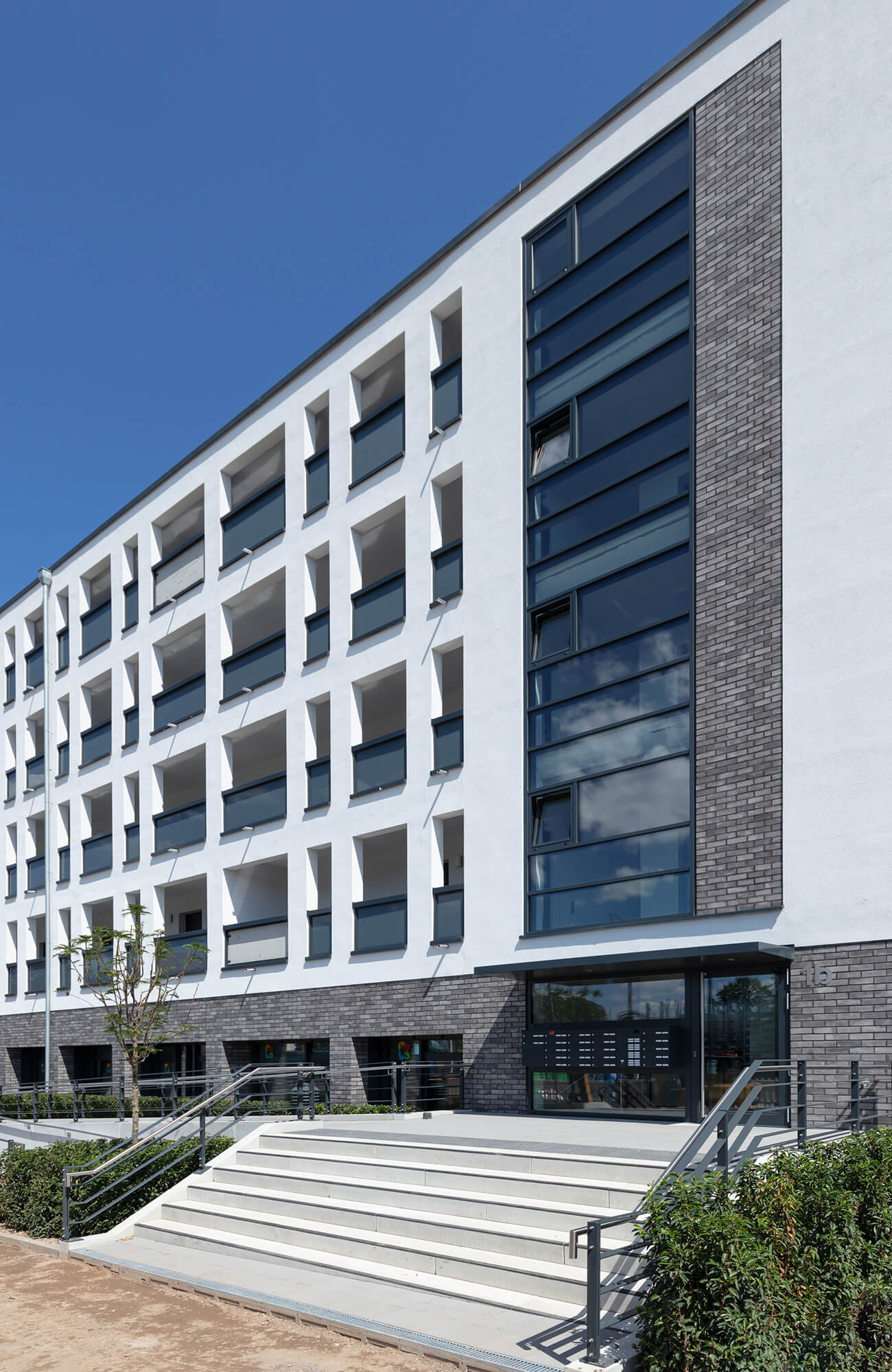
Office Fit-out, Refurbishment and Small Works: Key Differences
Fit-out vs Refurbishment vs Small Works: What Is the Difference? In workplace projects, terms such as fit-out, refurbishment, renovation, and small works are often used interchangeably. However, they do not always mean the same thing. Understanding the difference is important because each type of project may require a different level of planning, coordination, budget control, landlord approval, contractor involvement, and project management. What is an office fit-out? An office fit-out usually means preparing an office space for occupation. This can include creating rooms, installing finishes, coordinating building services, planning furniture, integrating IT and AV, and making the space ready for the tenant’s operational needs. A fit-out may include: - Space planning - Partitions and rooms - Flooring and finishes - Lighting coordination - Electrical and data outlets - Meeting rooms - Furniture planning - Kitchen or social areas - Branding and signage - Handover documentation Fit-out projects are common when a company moves into a new office or takes over a space that needs to be adapted to its business requirements. What is an office refurbishment? A refurbishment usually means improving or updating an existing office. The company may already occupy the space, but the workplace needs to be refreshed, repaired, modernized, or adapted. Refurbishment may include: - Repainting - New flooring - Updated meeting rooms - Furniture replacement - Acoustic improvements - Lighting upgrades - Reconfiguration of work areas - Repairs and maintenance-related works - Improved reception or client areas Refurbishments often need careful phasing because employees may continue working in the space during the project. What are small works? Small works are limited-scope projects. They may not require a large project team, but they still need coordination. Examples include: - Adding meeting rooms - Replacing flooring in selected areas - Creating phone booths or focus rooms - Minor layout changes - Door, wall, or partition adjustments - Small landlord-required works - Defect correction - Workplace changes after move-in Small works can appear simple, but delays often happen when scope, access, approvals, and responsibilities are unclear. Why the distinction matters The project type affects: - Budget structure - Schedule - Contractor selection - Required drawings - Landlord approvals - Health and safety coordination - Operational disruption - Handover documentation - Level of project management needed A small works project may only need part-time project support. A fit-out may require more structured coordination from concept to handover. A refurbishment in an occupied office may require detailed phasing and stakeholder communication. Common mistake: treating all workplace projects the same A common mistake is applying the same process to every project. Some projects need speed and simple coordination. Others need detailed planning, documentation, and approvals. The right approach depends on the scope, risk, budget, building conditions, and number of stakeholders. How Benatrix can support Benatrix supports workplace projects in Germany, including office fit-outs, refurbishments, small works, handovers, relocations, and workplace changes. Our role can include architectural planning, workplace layout planning, contractor coordination, site follow-up, snagging, reporting, and project close-out support.
Project management